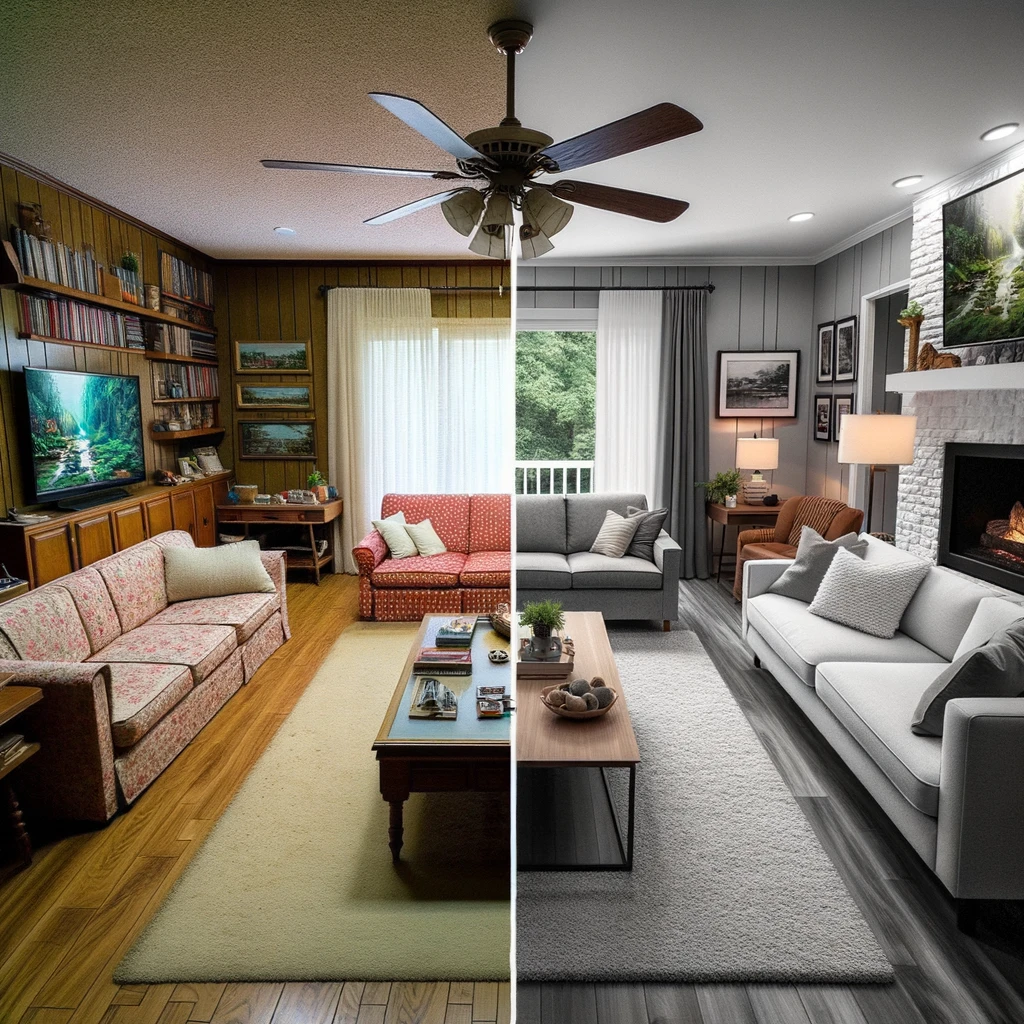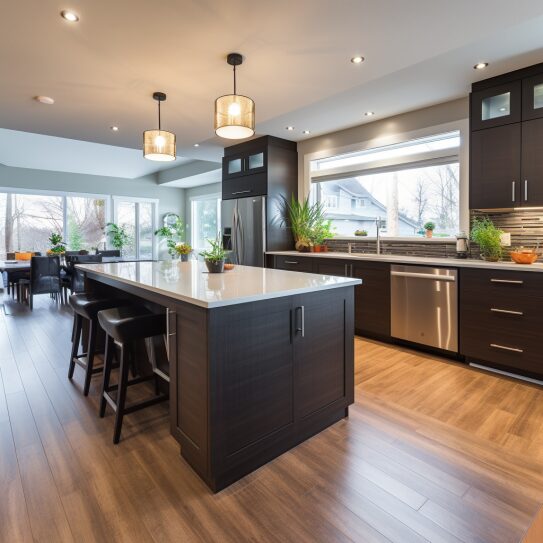

Buyers are more cautious. Many are watching interest rates, monthly payments, insurance costs, property taxes, and renovation expenses more closely than they did a few years ago. At the same time, some sellers are in difficult positions. Some purchased at or near the height of the market and are now facing the reality that they may not recover every dollar they put in.
That is not an easy place to be.
But it also does not mean you are powerless.
When the market is price-sensitive and buyers have options, the goal is not always to renovate your entire home. In many cases, the smartest strategy is to make your home feel clean, cared for, easy to understand, and worth choosing over the competition.
Here are practical ways to help your home stand out without taking on a full renovation.
1. Start With the Buyer’s First Impression
Buyers often make emotional decisions very quickly. Before they fully understand the square footage, updates, or mechanical systems, they are already deciding how the home feels.
That first impression starts before they walk through the front door.
Focus on:
- cutting the grass
- trimming bushes and trees
- clearing walkways
- cleaning the front door
- adding a simple seasonal planter
- removing clutter from the porch
- making sure house numbers are visible
- touching up peeling paint where possible
You do not need to create a magazine-worthy exterior. You need buyers to feel like the property has been cared for.
That matters because buyers are often looking for reasons to eliminate homes. A messy exterior can make them wonder what else has been neglected.
2. Deep Clean Like You Are Preparing for Company
This sounds simple, but it is one of the most underrated selling strategies.
A professionally cleaned home can feel newer, brighter, and better maintained without changing anything major. Buyers may not consciously say, “This house is clean, therefore I trust it,” but that is often how it feels.
Pay special attention to:
- kitchens
- bathrooms
- baseboards
- windows
- light switches
- door handles
- appliances
- flooring
- grout
- closets
- pet areas
- basements
- garages
A clean home gives buyers confidence. A dirty home makes buyers start subtracting money.
In a market where people are watching every dollar, that matters.
3. Declutter So Buyers Can Understand the Space
Most buyers are not great at imagining a home differently than how they see it.
If a room is crowded, they may assume it is too small. If a basement is packed, they may assume there is not enough storage. If every countertop is full, they may feel like the home does not function well.
Decluttering is not about making your home feel empty. It is about helping buyers understand the space.
Before listing, consider removing:
- extra furniture
- oversized decor
- personal collections
- excess kitchen items
- off-season clothing
- unused toys
- stacks of paperwork
- items stored in corners
- anything that blocks windows, pathways, or room flow
The goal is to create breathing room.
When buyers can move easily through the home and understand how each space can be used, the home feels more valuable.
4. Fix the Small Things Buyers Will Notice
Small repairs can have an outsized impact.
A loose handle, missing trim piece, leaky faucet, burnt-out bulb, broken blind, damaged screen, or squeaky door may not be expensive to fix. But when buyers notice several of these things, they often start to assume the home has not been maintained.
That can affect the offer.
Before listing, walk through your home with fresh eyes and make a list of minor issues. Better yet, ask someone else to walk through it with you. Homeowners get used to their own homes and stop noticing things a buyer will see right away.
Look for:
- burnt-out light bulbs
- dripping taps
- loose railings
- cracked outlet covers
- damaged caulking
- doors that do not close properly
- loose cabinet hardware
- chipped paint
- visible drywall damage
- broken closet doors
- missing transition strips
These are not glamorous updates, but they help remove buyer objections.
5. Use Paint Strategically
Paint is one of the most cost-effective improvements when preparing a home for sale.
That does not mean every home needs to be painted top to bottom. But if there are strong colours, scuffed walls, dark rooms, or mismatched touch-ups, fresh paint can make a major difference.
Neutral, clean, warm tones usually work best because they allow buyers to focus on the home instead of the colour.
Paint can help:
- brighten darker spaces
- make rooms feel larger
- create consistency
- reduce the appearance of wear
- help older finishes feel fresher
- improve listing photos
If you are deciding where to prioritize, focus on the main living areas, kitchen, entryway, hallways, and any rooms with obvious wear.
6. Improve Lighting Wherever You Can
Lighting changes how buyers experience a home.
A home that feels dark can feel smaller, older, or less inviting. A brighter home often feels cleaner, more spacious, and more welcoming.
Before showings and photos:
- open blinds and curtains
- clean windows
- replace burnt-out bulbs
- use consistent bulb tones where possible
- add lamps to darker rooms
- make sure exterior lights work
- turn on lights before showings
This is especially important in basements, hallways, smaller bedrooms, and homes with older finishes.
You want buyers to feel comfortable, not like they are searching for flaws in the dark.
7. Make Each Room’s Purpose Obvious
When buyers are unsure how they would use a space, they may undervalue it.
This is especially true with dens, finished basements, bonus rooms, dining areas, enclosed porches, lofts, and outbuildings.
If a room is currently a catch-all space, give it a clearer purpose before listing.
For example:
- a den can become a home office
- a small bedroom can become a guest room
- a basement area can become a family room
- a corner can become a reading nook
- a dining area can be staged as a proper eating space
- an outbuilding can be presented as storage, hobby space, workshop potential, or flexible use
You are not trying to pretend the home is something it is not. You are helping buyers see possibility.
That is especially important when buyers are comparing several homes online.
8. Do Not Hide the Home’s Weaknesses, Reduce the Friction Around Them
Every home has drawbacks.
Maybe the kitchen is not modern. Maybe the basement is unfinished. Maybe the flooring is older. Maybe the backyard needs work. Maybe the home was bought at a high point in the market and there is not much room for negotiation.
The goal is not to ignore these things. Buyers will see them.
The goal is to reduce the number of reasons a buyer says no.
A home with an older kitchen but clean counters, good lighting, fresh paint, and a tidy layout will show better than a home with the same kitchen buried under clutter.
A home with an unfinished basement but clean floors, organized storage, and good lighting will feel more usable than one that feels forgotten.
A home that is not fully updated can still feel solid, functional, and well cared for.
That is where sellers can protect value.
9. Be Honest About Price Positioning
Presentation matters, but price still matters most.
In a saturated or price-sensitive market, buyers compare everything. They know what else is available. They are watching price reductions. They are calculating monthly payments. They are often less willing to stretch than they were during the hottest parts of the market.
That means your home needs to be positioned properly from the beginning.
A strong pricing strategy considers:
- recent comparable sales
- current active competition
- homes that did not sell
- days on market
- condition
- location
- buyer demand in that price range
- how much negotiating room is realistic
- whether the home needs repairs or updates
- how the home will appear online beside competing listings
The highest list price is not always the best strategy.
Sometimes the best way to realize the strongest possible sale price is to launch at a price that creates activity, urgency, and confidence. Overpricing can cause the home to sit, and once a listing feels stale, buyers may become more aggressive.
In this market, the first impression online matters almost as much as the first showing.
10. Invest Where Buyers Feel the Difference
If you have a limited budget, do not spend randomly.
Before listing, ask: “Will this help buyers feel more confident, more comfortable, or more excited about the home?”
Good low-cost priorities often include:
- cleaning
- decluttering
- paint touch-ups
- minor repairs
- updated lighting
- landscaping cleanup
- professional photos
- simple staging adjustments
- window cleaning
- fresh caulking
- removing worn or distracting items
Be cautious about large updates right before selling unless they are truly necessary. A seller may spend thousands on improvements and not recover the full amount. The better strategy is often to make the home show its absolute best without overcapitalizing.
11. Make the Online Presentation Count
Most buyers see your home online before they ever book a showing.
That means your photos, listing description, pricing, and overall presentation need to work together.
A home that looks dark, cluttered, or confusing online can be skipped before a buyer ever gives it a chance.
Strong marketing should highlight:
- the best features
- the home’s layout
- storage
- updates
- outdoor space
- parking
- location benefits
- flexible-use spaces
- lifestyle appeal
- proximity to schools, parks, shopping, highways, waterfront, or town centres where relevant
The goal is to help buyers understand why your home is worth seeing in person.
12. Remember That Buyers Are Buying Confidence
In a challenging economy, buyers are not just buying a house. They are buying confidence.
They want to feel confident that the home has been cared for.
They want to feel confident that the price makes sense.
They want to feel confident that they are not walking into a long list of unexpected expenses.
They want to feel confident that the home fits their life and their budget.
As a seller, you cannot control the market. You cannot control interest rates. You cannot control what someone else lists their home for.
But you can control how your home is prepared, presented, priced, and positioned.
That is where the opportunity is.
Final Thoughts
If you are selling in today’s market, especially if you purchased during a higher market and are worried about your equity, the strategy matters.
You may not need a full renovation. You may not need to spend a fortune. But you do need to be thoughtful.
The homes that stand out are not always the most updated. They are often the homes that feel clean, cared for, well presented, easy to understand, and properly priced for the current market.
If you are thinking about selling, start with the basics. Clean deeply. Declutter honestly. Fix what buyers will notice. Improve the lighting. Make every space make sense. Then price the home with the current market in mind, not the market you wish you were selling in.
That honest approach can help you attract more serious buyers and give you the best chance of realizing as much as possible from your sale.
Thinking of Selling in Windsor-Essex?
The Dan Gemus Real Estate Team helps homeowners across Windsor, LaSalle, Amherstburg, Essex, Kingsville, Leamington, Lakeshore, Tecumseh, Belle River, and surrounding communities prepare, position, and market their homes with a strategy that fits the current market.
If you are wondering what your home may be worth, what improvements are worth making, or how to stand out against competing listings, reach out to our team. We would be happy to help you make a smart plan before you list.
This blog is for informational purposes only and is not intended to replace professional legal, accounting or financial advice, nor is it intended to solicit those currently under contract with another brokerage.
Related Articles: