
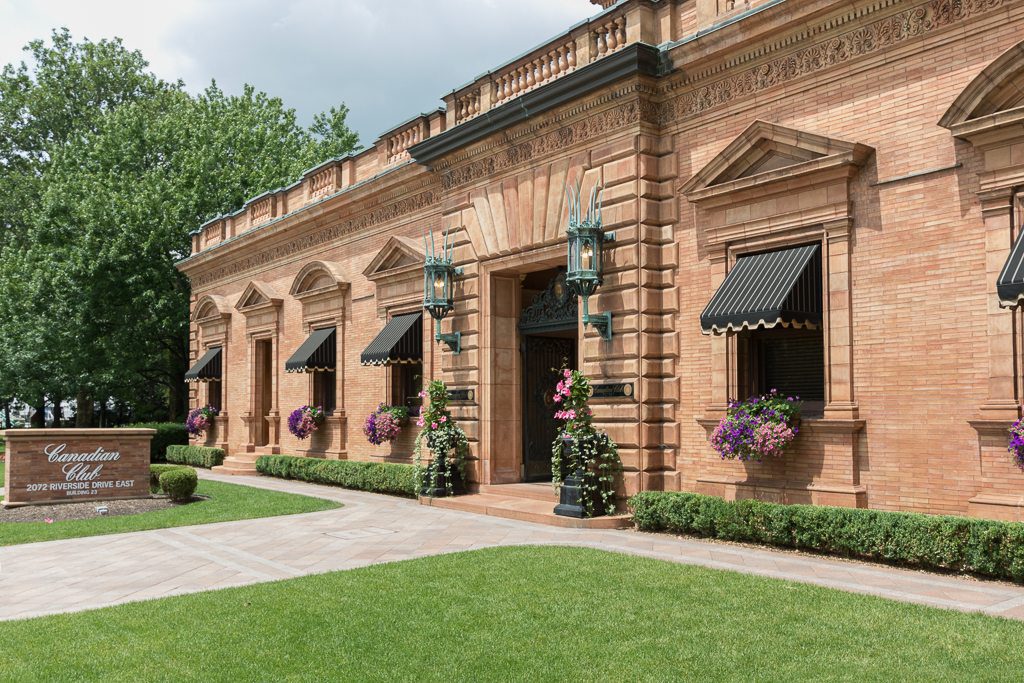
Living in Windsor, Ontario
Windsor is the urban centre of Windsor-Essex, positioned along the Detroit River directly across from Detroit, Michigan. For buyers considering a move to Southwestern Ontario, the city offers a wide range of housing styles, established neighbourhoods, post-secondary education, healthcare, shopping, recreation and cross-border access within one municipality. Windsor is not one uniform housing market, however. Life in Walkerville, Riverside, South Windsor, the west end or a newer subdivision can feel very different, which makes neighbourhood choice an important part of the buying decision.
Quick Facts
| 2021 population: 229,660
Population change, 2016 to 2021: +5.7% Median household income, 2020: $70,000 Average monthly owner shelter cost, 2021: $1,169 |
Housing setting: Urban, established neighbourhoods and newer growth areas Waterfront: Detroit River International access: Three road crossings to Detroit Air and rail: Windsor International Airport and VIA Rail |
September 2026 Residential Market Snapshot – Windsor, Tecumseh, LaSalle
Average sale price – $520,421
Number of sales – 270
New listings – 813
Months of inventory – 5 months
Updated: October 2026
Find out what your Windsor-Essex home is worth in today’s market.
What Is It Like to Live in Windsor?
Windsor gives residents the broadest concentration of services and employment in the region. Major shopping areas, restaurants, hospitals, cultural venues, recreation facilities and transit are all found within the city. Its location also creates a cross-border lifestyle that is unusual in Canada. Detroit’s professional sports, concerts, museums, airport and other attractions are nearby, although border requirements and travel times should always be considered when planning a trip.
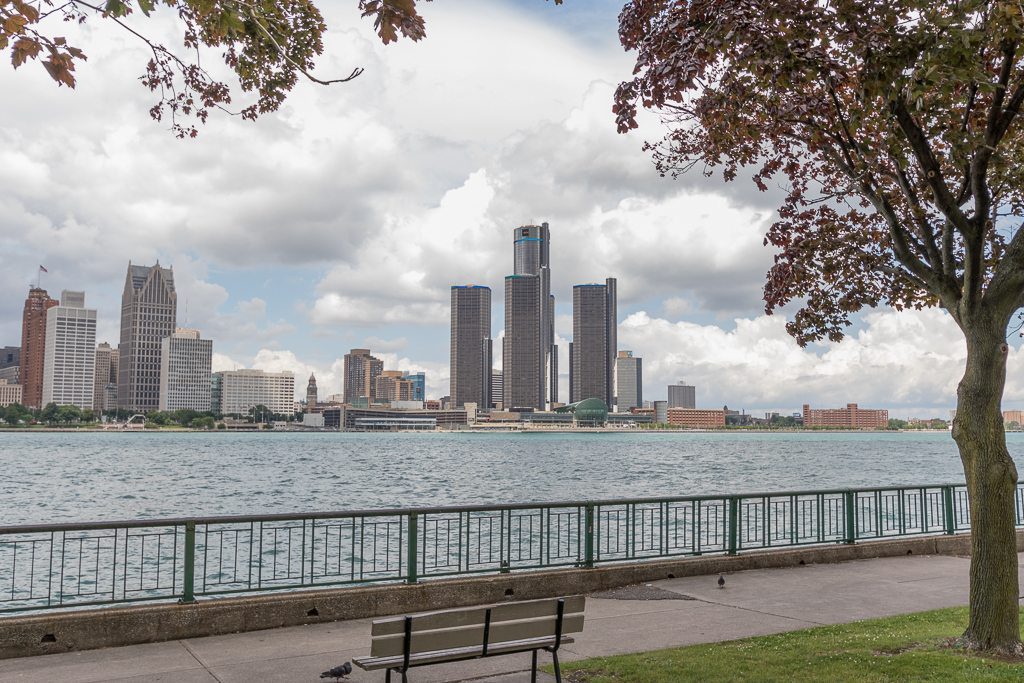
The city also offers meaningful outdoor space. Windsor maintains more than 200 parks, while the riverfront is a defining feature of the city. The Riverfront Trail extends for more than five kilometres along the Detroit River and connects parks, public art and views of the Detroit skyline.
Housing and Cost of Living in Windsor
There is no single official municipal cost-of-living number that accurately captures what every Windsor household will spend. Housing, property taxes, utilities, insurance, transportation and lifestyle choices all affect the monthly budget. Windsor does, however, offer a broader range of housing price points and property types than many of the surrounding municipalities.
For historical context, Statistics Canada’s 2021 Census reported an average monthly shelter cost of $1,169 for owner households and a median value of $400,000 for owner-occupied dwellings. The median household income reported for 2020 was $70,000. These figures are useful for comparison, but they are not current MLS® sale prices or a quote for today’s cost of homeownership.
Current home prices change throughout the year and can differ substantially by neighbourhood, condition and property type. A current MLS® search or recent comparable sales provide a much better picture than an old city-wide average.
Types of Homes and Neighbourhoods
Windsor’s housing stock includes century and character homes, post-war bungalows, ranches, two-storey homes, semi-detached homes, townhomes, condominiums, apartments, infill construction and newer subdivisions. Waterfront and luxury properties are also available in select locations.
Neighbourhood choice affects much more than price. Lot size, housing age, walkability, proximity to the river, highway access, school boundaries, transit and shopping can all vary. Buyers relocating to Windsor should compare individual neighbourhoods rather than relying on broad city-wide descriptions.
Amenities, Recreation and Things to Do
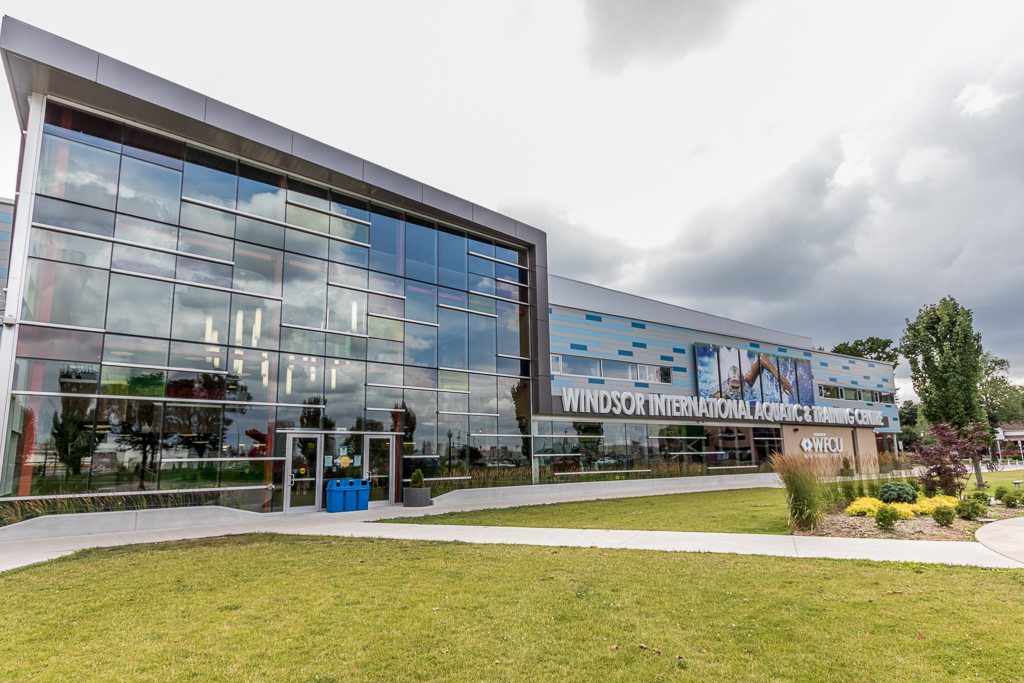
Windsor has the region’s largest concentration of urban amenities. The University of Windsor and St. Clair College support post-secondary education, while Windsor Regional Hospital provides major hospital services. Residents also have access to public transit, libraries, recreation centres, arenas, aquatic facilities and a wide selection of shopping and dining.
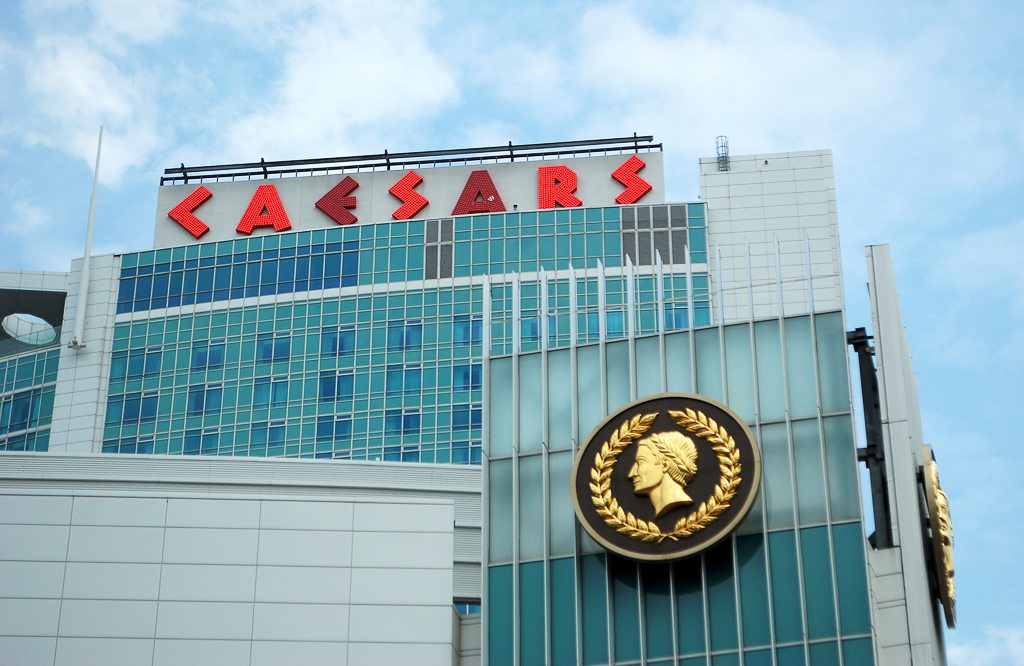
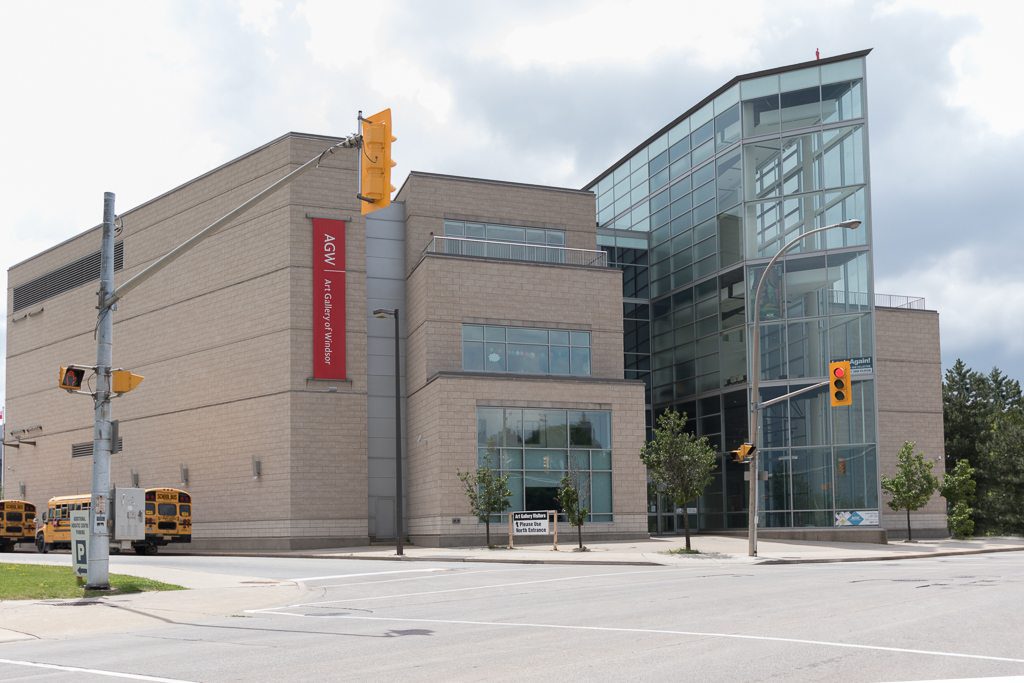
For recreation and culture, the riverfront, Windsor Sculpture Park, Art Windsor-Essex, the Capitol Theatre, Caesars Windsor, local sports and year-round community programming provide options without leaving the city. Windsor’s flat geography also supports cycling and active transportation, with trail connections continuing to expand.
Community Vibe
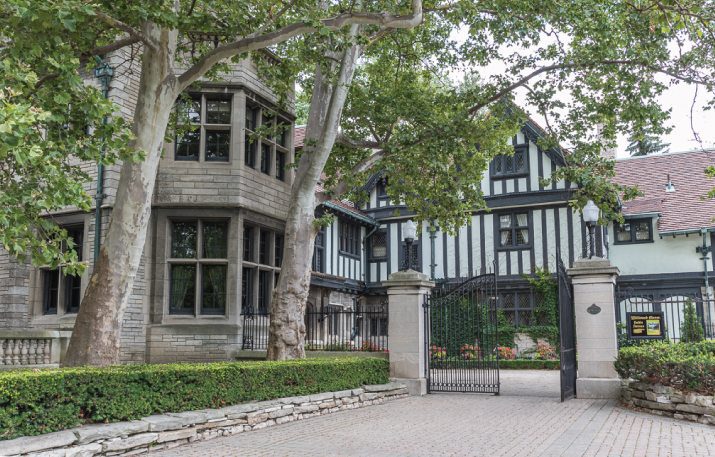
Windsor has the broadest range of neighbourhood experiences in Windsor-Essex, which is part of what makes the city difficult to describe with a single label. Downtown and the riverfront feel distinctly urban, while Walkerville is known for historic streets, independent shops, restaurants and local gathering places. Erie Street’s Via Italia district reflects Windsor’s long-standing Italian influence, while Sandwich Town adds some of the city’s oldest built heritage. Riverside, South Windsor, East Windsor and the west end each offer a different mix of housing, shopping and everyday amenities.
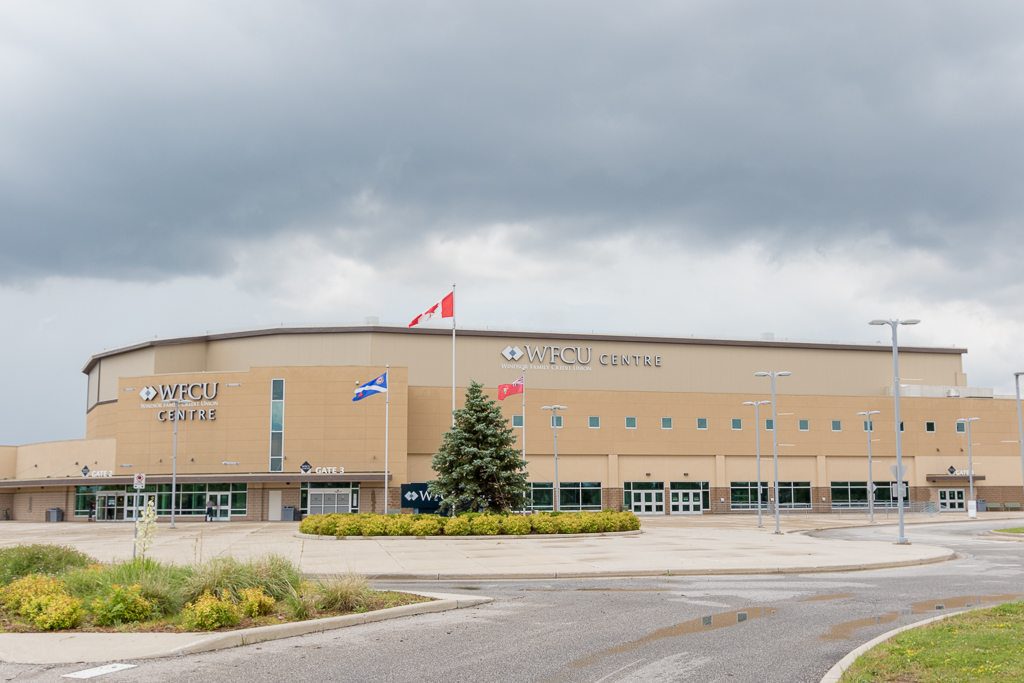
Food is an important part of Windsor’s identity. The city’s population includes communities with roots around the world, and that diversity is reflected in its restaurants, bakeries, markets and cultural events. Residents also have access to Caesars Windsor, the WFCU Centre, museums, galleries, theatre, the Windsor International Film Festival and an extensive Detroit River waterfront. Seasonal programming increasingly uses riverfront parks and neighbourhood spaces for concerts, markets and community events. Living in Windsor can therefore feel urban, suburban, historic or waterfront depending largely on the neighbourhood you choose. Compare communities across Windsor-Essex.
Healthcare & Medical Services
Windsor is the primary acute-care and specialty-healthcare centre for Windsor-Essex. Windsor Regional Hospital operates 24-hour emergency departments at both the Met and Ouellette campuses, while Hôtel-Dieu Grace Healthcare provides regional rehabilitation, complex medical and palliative care, mental health and addictions, and other specialty services.
Residents looking for a family doctor or nurse practitioner can register with Ontario Health Care Connect through 811 and review the Windsor-Essex Ontario Health Team’s current list of providers accepting patients. Windsor also has the region’s largest selection of walk-in and same-day clinics; current hours are best checked through the live Erie St. Clair Healthline directory.
Multiple licensed long-term care homes operate in Windsor, including Huron Lodge, Banwell Gardens, Heron Terrace and others. Ontario Health atHome coordinates long-term care placement and eligible home-care services.
Helpful official links
Healthcare: Find a family doctor or nurse practitioner – Health Care Connect | Current Windsor-Essex primary-care options | Current walk-in medical clinics | Ontario Health atHome – home care and long-term care | Windsor Regional Hospital emergency services | Hôtel-Dieu Grace Healthcare
Schools, Child Care & Post-Secondary Education
Windsor has the region’s widest selection of education options, including English public and Catholic elementary and secondary schools, French Immersion programs, and publicly funded French-language schools. Public French Immersion is available at schools including Bellewood, Central, James L. Dunn and W.F. Herman Academy, while the Catholic board also offers French Immersion pathways. Families seeking French-language education can access Conseil scolaire Viamonde and Conseil scolaire catholique Providence schools within the city.
Licensed daycare, school-based before-and-after care and EarlyON programs are available throughout Windsor, with licensed child care searched through the regional OneHSN registry. Windsor is also home to both the University of Windsor and multiple St. Clair College locations.
School boundaries and transportation are address-specific. Buyers should use the BusKids School Finder and transportation tool for the exact property, particularly when French Immersion or French-language education is important.
Helpful official links
Education: Find the designated school – BusKids School Finder | Check school-bus eligibility | Greater Essex County District School Board | Windsor-Essex Catholic District School Board | Conseil scolaire Viamonde – French-language public | Conseil scolaire catholique Providence – French-language Catholic | Licensed child care / OneHSN
Post-secondary: University of Windsor | St. Clair College locations
Places of Worship
Windsor has one of the region’s broadest selections of places of worship. Residents can find Christian congregations representing many traditions, along with Muslim, Jewish, Hindu, Sikh and Buddhist communities. Many faith organizations also provide cultural programming, community events and opportunities for connection beyond regular worship services.
Employment & Local Economy
Windsor is the region’s largest employment centre and its economy extends well beyond traditional automotive manufacturing. Advanced manufacturing and automotive remain major sectors, supported by the Stellantis Windsor Assembly Plant, a deep regional tool-and-die and automation supply chain, and the NextStar Energy battery manufacturing investment. Clean technology, logistics and cross-border trade are increasingly important because Windsor sits directly on one of North America’s busiest international trade corridors.
Healthcare and education are also significant sources of employment through Windsor Regional Hospital, the University of Windsor and St. Clair College. Other employment is concentrated in municipal and government services, professional services, construction, retail, hospitality, gaming and tourism. For residents, the practical advantage is that Windsor contains multiple employment districts rather than one centralized business area. The airport lands, east and southeast growth corridors, downtown, the university area and established industrial districts all contribute to the employment picture, while direct access to Detroit broadens the economic context even further.
Getting Around & Connectivity
Windsor is the transportation hub of Windsor-Essex, with an extensive Transit Windsor network, Highway 401, E.C. Row Expressway and major regional roads connecting neighbourhoods, employment areas and surrounding municipalities. Public transit also extends beyond the city through connections with Amherstburg, LaSalle and Tecumseh.
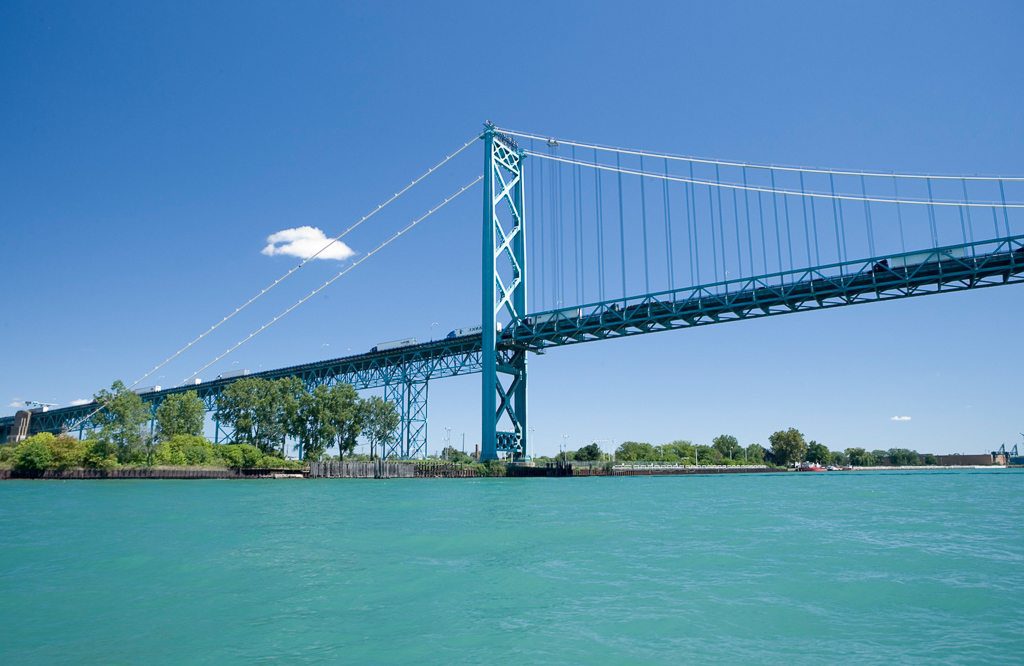
Windsor has a cross-border advantage that few Canadian cities can match. Three international road crossings connect Windsor and Detroit: the Ambassador Bridge, the Detroit-Windsor Tunnel and the Gordie Howe International Bridge. The Gordie Howe International Bridge opened to vehicle traffic in July 2026 and provides a direct highway-to-highway connection between Highway 401 and Interstate 75. Together, these crossings support personal travel, commuting, tourism, manufacturing and one of North America’s most important trade corridors.
Windsor International Airport provides convenient local air service, including scheduled connections to major Canadian hubs and seasonal routes, while VIA Rail serves Windsor on the Windsor-London-Toronto corridor. For residents who travel frequently, Windsor also benefits from access to Detroit’s broader transportation network across the border. Flight, rail and border schedules can change, so travellers should confirm current service when planning.
Growth, Infrastructure and What Is Changing
Windsor is investing heavily in transportation and servicing infrastructure as employment and residential growth shift toward the east and southeast. The Banwell Road and E.C. Row Expressway interchange and corridor project is under construction, with widening and a new interchange intended to serve existing neighbourhoods and significant future growth. The City is also advancing planning and infrastructure work around Lauzon Parkway, Cabana Road East, Sandwich South, airport lands and the future regional hospital area.
These projects matter to home buyers because major roads, new employment, healthcare investment and municipal servicing influence where future housing and commercial development can occur. The City’s 2026 capital plan specifically identifies the Banwell corridor, Lauzon Parkway extension toward Highway 401, Cabana Road East improvements and Sandwich South infrastructure as growth-related priorities. Buyers considering these areas should review current construction, planning applications and municipal infrastructure plans alongside the property itself.
Is Windsor the Right Fit for You?
Windsor is worth considering if you want the widest housing selection and the greatest concentration of services in Windsor-Essex. It can also be a practical choice for buyers who value access to Detroit or want to live close to major employment, healthcare and post-secondary facilities.
The key is choosing the right part of the city. Someone prioritizing walkability and older architecture may focus on different areas than a buyer who wants a newer home, larger garage or quick highway access.
Current Windsor Real Estate Market
Windsor real estate conditions can change quickly and city-wide averages can hide major differences between neighbourhoods. Search Windsor homes for sale, or ask our team for a current market snapshot based on the type of property and area you are considering.
Frequently Asked Questions About Living in Windsor, Ontario
Is Windsor, Ontario a good place to live?
Windsor can be a strong fit for buyers who want urban amenities, varied housing, regional employment and direct access to the Detroit border. Whether it is the right fit depends on the neighbourhood, budget and lifestyle you are looking for.
What types of homes can I buy in Windsor?
Windsor includes older character homes, bungalows, ranches, two-storey homes, semis, townhomes, condos, apartments, new construction and select waterfront or luxury properties.
Is Windsor less expensive than other Ontario cities?
Housing has historically been more accessible than in several larger Ontario markets, but affordability depends on current prices, financing and household expenses. Compare current MLS® data rather than relying on an old province-wide ranking.
How close is Windsor to Detroit?
Windsor sits directly across the Detroit River from Detroit and has three international road crossings: the Ambassador Bridge, Detroit-Windsor Tunnel and Gordie Howe International Bridge. Travel time depends on your starting point, traffic and border processing.
Does Windsor have an airport and VIA Rail service?
Yes. Windsor International Airport offers scheduled passenger service with connections through major Canadian hubs and seasonal routes, and the Windsor VIA Rail station provides regular service on the Windsor-London-Toronto corridor. Service schedules and destinations can change, so check the carrier directly for current options.
Which Windsor neighbourhood should I choose?
That depends on your priorities. Housing age, lot size, walkability, commuting, transit, waterfront access and nearby amenities vary significantly from one part of Windsor to another. Compare Windsor with nearby Tecumseh or explore living in Lasalle, ON.
Thinking About Moving to Windsor?
The Dan Gemus Real Estate Team works throughout Windsor and Essex County and can help you compare Windsor neighbourhoods with nearby communities based on the home, location and lifestyle you are looking for.
Search current Windsor homes for sale or contact our team for a local market and neighbourhood conversation.
Last reviewed: October 2026