A home is not only where we sleep, eat and store our belongings.
It is often where we garden, build, paint, exercise, entertain, restore old cars, practice music, prepare family recipes or disappear into a good book.
That can make moving more complicated, especially for homeowners who know it is time to downsize.
The four-bedroom family home may offer far more space than they need for everyday living. The large yard may have become difficult to maintain. Stairs, repairs and unused rooms may be taking up more time and energy than they once did.
At the same time, moving into a much smaller home can feel like giving up more than square footage.
Where will the woodworking tools go? What happens to the sewing room? Is there enough space for the gardening equipment, golf clubs, bicycles or family dinners? Will the new home support retirement, or quietly eliminate the activities the homeowner hoped to enjoy more often?
Downsizing your home in Windsor-Essex should not mean downsizing the parts of life that bring purpose and enjoyment.
Whether you are a first-time buyer, a growing family or a homeowner preparing for a new stage of life, the right property is not always the largest or most updated one. It is the home with the right kind of space for the way you actually want to live.
Here is what Windsor-Essex hobbyists should consider during a home search.
Start With the Hobby, Not the Room Name
Real estate listings describe spaces using familiar labels:
- Bedroom
- Dining room
- Basement
- Garage
- Den
- Sunroom
- Shed
Buyers should look beyond those labels.
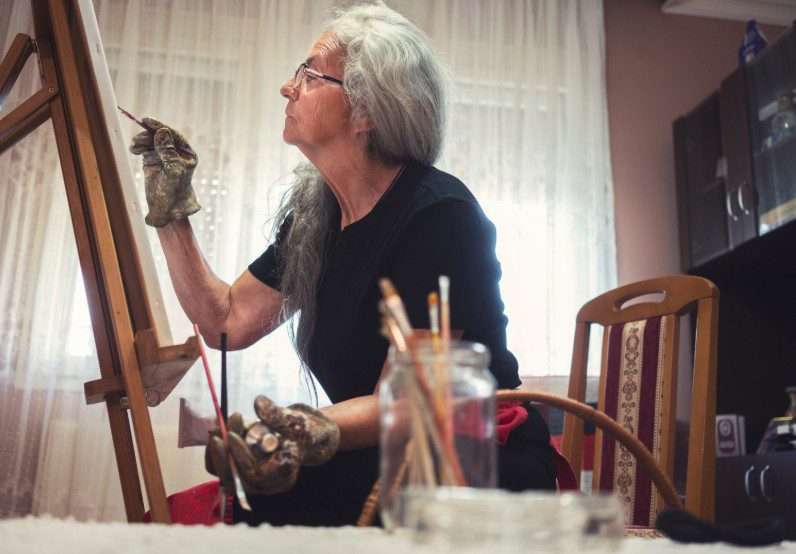
An unused dining room might become an art studio. A third bedroom could be a sewing room. A section of the garage may provide enough space for a workbench. A bright sunroom could become the ideal place for plants, reading or painting.
The best hobby space is not necessarily a large, purpose-built room. It is a space with the features the hobby actually requires.
Before searching, consider:
- How much floor space do you genuinely use?
- Do you need natural light, ventilation, water or additional electrical capacity?
- Will the activity create noise, dust, odours or vibration?
- Does equipment need to be carried through the house?
- Do you need secure or climate-controlled storage?
- Will you use the space daily, weekly or only occasionally?
- Could the room serve more than one purpose?
This helps distinguish between space that is essential and space that merely sounds appealing.
For the Car Enthusiast, Woodworker or Weekend Builder
For some buyers, the garage is more important than the kitchen.
A car enthusiast may need room to open vehicle doors comfortably, store parts and move around a workbench. A woodworker may need power, ventilation and enough clearance to handle materials safely. A homeowner who repairs lawn equipment or tackles weekend projects may simply need organized storage and a solid work surface.
The words “double garage” do not tell the entire story.
Two garages with the same description can function very differently. One may comfortably hold two vehicles, while the other loses usable space to stairs, shelving, mechanical equipment or an awkward door location.
What to look for
Measure the garage rather than relying only on the listing description. Consider the width and height of the doors, ceiling clearance, lighting, electrical service, heating, insulation and access to the backyard or driveway.
Also think about where materials, tools and unfinished projects will be stored. If every project requires moving two vehicles and six storage bins, the space may become frustrating very quickly.
A detached garage or outbuilding may provide better separation for noise and dust, but buyers should confirm that the intended use is appropriate for the property. Zoning, permits, insurance, electrical work and heating systems should be reviewed with the appropriate professionals before relying on the space for a particular activity or business.
Windsor-Essex areas to explore
Buyers seeking larger garages, workshops or outbuildings may expand their search beyond central Windsor to parts of LaSalle, Amherstburg, Lakeshore, Essex, McGregor, Harrow, Cottam or rural Essex County.
That does not mean every country property will have the right setup or that a city home cannot offer an impressive garage. It simply means widening the geographic search may reveal different combinations of lot size, driveway access and accessory buildings.
For downsizers, the answer may not be a large house on acreage. It might be a smaller ranch with an oversized garage, allowing the homeowner to reduce interior maintenance without giving up the workshop.
For the Gardener
Gardeners often focus on the size of the yard, but size is only one consideration.
A large shaded property may offer less growing potential than a smaller yard with strong sunlight and a practical layout. Poor drainage, limited water access or mature root systems can also affect what can be planted.
What to look for
Pay attention to sun exposure throughout the day, not only during the showing. Consider where a vegetable garden, greenhouse or potting bench could be placed.
Look for an outdoor water source, space for tools and soil, secure fencing and a convenient route from the driveway to the backyard. Gardeners who preserve food may also value a functional kitchen, pantry, cool storage area or second refrigerator.
A shed can be useful, but it should be evaluated for condition, security and accessibility. A beautifully landscaped property may be appealing, but buyers should consider whether they want to maintain someone else’s garden or create their own.
Windsor-Essex areas to explore
Established neighbourhoods throughout Windsor, South Windsor, Riverside, LaSalle and Tecumseh may offer mature yards and landscaping. Buyers wanting more room to grow may also consider Essex, Harrow, Kingsville, Leamington, Ruthven, Cottam and surrounding county areas.
The region’s agricultural landscape, roadside markets, wineries and growing culture make gardening a natural fit in many Essex County communities.
A downsizer who loves gardening may not need the former family home’s enormous yard. A smaller property with good sunlight, raised beds and room for a compact shed may provide more enjoyment with less maintenance.
For the Boater, Angler or Paddler
Living near the water can be attractive, but hobby access involves more than having a water view.
A boater may need trailer parking, a wide driveway, secure storage and a practical route to a marina or launch. An angler may need space for rods, tackle, waders and a freezer. Kayaks, canoes and paddleboards require storage that is both secure and reasonably easy to access.
What to look for
Consider whether equipment can be moved without carrying it through the main living area. Look at garage depth, gate width, driveway rules and storage options.
If you are considering waterfront property, investigate more than the view. Shoreline condition, erosion protection, flood considerations, insurance, docks and ongoing maintenance can all affect ownership. These matters should be investigated with qualified professionals before making a purchase.
Some buyers discover that living near a marina or public launch fits their hobby better than owning directly on the water. They may gain easier maintenance, a lower purchase price or more usable property while remaining close to the activity they enjoy.
Windsor-Essex areas to explore
Amherstburg and LaSalle offer access to the Detroit River, while Riverside, East Riverside, Tecumseh, Lakeshore and Belle River connect residents with Lake St. Clair. Leamington and communities along the Lake Erie shoreline may appeal to buyers whose boating or fishing activities are centred farther south.
Lakeshore is known for its waterfront setting, marinas, parks and beaches, while Leamington has a municipal marina and waterfront park.
The best location depends on where the boat is kept, which body of water you use and how often you expect to participate.
For the Cyclist, Walker or Nature Lover
Some hobbies require very little space inside the home because the real activity happens outside it.
For cyclists, runners, birdwatchers and regular walkers, location may be more valuable than an additional finished room.
What to look for
Consider how easily you can leave the property with a bicycle, stroller or mobility aid. A home near a trail may still be inconvenient if reaching it requires travelling along a busy road.
Look for secure bicycle storage, an entrance where wet or muddy equipment can be removed, and a place to dry clothing or clean footwear. A mudroom, garage entrance or durable flooring may be more useful than a formal living room.
For nature photographers and birdwatchers, proximity to natural areas may matter more than the size of the backyard.
Windsor-Essex areas to explore
Windsor offers the Riverfront Trail, Ganatchio Trail, Little River Corridor, Malden Park and the Ojibway Prairie area. The City describes Ojibway’s trails as suitable for walking, birding, photography and leisure cycling.
LaSalle combines waterfront and recreational trails, while Amherstburg connects residents with historic streets, waterfront areas and the Essex-Amherstburg trail system. Essex County also offers greenway and countryside cycling routes.
A downsizer who spends much of the day outdoors may prefer a smaller, lower-maintenance home near a favourite trail over a larger property requiring constant upkeep.
For the Artist, Quilter, Crafter or Sewer
Creative hobbies have a way of expanding.
A small collection of paint, fabric or paper can eventually require work surfaces, storage, strong lighting and room to leave projects unfinished.
What to look for
Natural light is often important, but so is consistent artificial lighting for evening work. Consider the number and placement of electrical outlets, wall space, storage and flooring.
A sink nearby can be valuable for painters and crafters. Durable flooring may be preferable to carpet. If the activity involves adhesives, paint, resin or other materials, ventilation and safe storage should be carefully considered.
A flexible bedroom or den may work well, but measure the furniture and equipment before deciding. A room that appears adequate may feel much smaller after adding a cutting table, easel, shelves and storage cabinets.
Creative buyers should also think about whether they prefer to work privately or remain connected to the main living area. Some people want a studio with a door. Others are happiest at a large table where they can create while still participating in household life.
Windsor-Essex areas to explore
Character homes in Walkerville, South Walkerville, Riverside and historic parts of Amherstburg may offer sunrooms, enclosed porches, dens or rooms with architectural personality.
Amherstburg has an active local arts presence, while Kingsville promotes live music, visual arts and community-led cultural events. Windsor’s riverfront also includes an extensive public sculpture collection.
The right creative home is not about living in an officially “artistic” neighbourhood. It is about finding a room whose light, proportions and feeling make you want to use it.
For the Musician, Podcaster or Content Creator
A spare bedroom may appear to be the obvious studio, but sound behaves differently once microphones, amplifiers or instruments are involved.
What to look for
Separation from sleeping areas and neighbouring homes can matter. Basements, rooms over garages and detached buildings may offer greater privacy, although each space should be evaluated for moisture, temperature, acoustics and safe electrical use.
Think about ceiling height, wall surfaces, internet reliability and whether equipment can remain set up. A space that must be dismantled after every session may be used less often than expected.
Musicians should also consider how instruments will enter the home. Tight stairs and narrow doorways may become a problem for drums, keyboards and larger equipment.
A home does not need a professional studio to support a creative hobby. It needs a space where the activity can happen without creating constant conflict with the rest of the household.
For the Home Cook, Baker, Canner or Entertainer
A beautiful kitchen is not automatically a useful kitchen.
Someone who cooks frequently may care more about counter placement, pantry space and ventilation than the colour of the cabinets. A baker may need uninterrupted workspace. A home canner may need storage for jars and ingredients. A regular entertainer may value traffic flow, seating and outdoor access.
What to look for
Watch how the kitchen functions.
Can two people work without blocking one another? Is there space near the refrigerator to unload groceries? Is the pantry large enough for the way you shop? Can small appliances remain accessible without filling every counter?
Those who entertain should consider parking, washroom access and whether guests naturally gather in the kitchen, family room or outdoor area.
A formal dining room may be useful for someone who hosts large family meals. For another buyer, it may become expensive square footage used only twice a year.
Windsor-Essex areas to explore
Kingsville, Essex and Leamington are strongly connected with the region’s wineries, agriculture, farm markets and diverse food culture.
That does not mean a food enthusiast needs to move to the county. Walkerville, Erie Street, downtown Windsor and other urban areas may appeal to buyers who want restaurants and local businesses nearby.
The home itself should support how often you cook, how many people you host and how much storage your hobby requires.
For the Golfer, Pickleball Player or Sports Enthusiast
Sports hobbies often require less dedicated living space but more storage and convenient access.
What to look for
Golf clubs, hockey bags, pickleball equipment and bicycles can quickly take over a front hallway. Look for a garage, mudroom, locker-style storage or a basement entrance that keeps equipment away from the main living area.
Laundry location may also matter. Households involved in frequent sports may value a practical route from the entrance to the washer and dryer.
Buyers should consider how often they participate and how far they are genuinely willing to travel. A home near a favourite course, arena, park or recreation facility may be more valuable to them than an additional bedroom.
Tecumseh offers disc golf and pickleball facilities, while LaSalle combines trails, parks and recreational amenities. Windsor’s park system includes sports fields, golf courses, trails and other recreation options across the city.
For the Fitness Enthusiast
A home gym sounds simple until the equipment arrives.
What to look for
Measure ceiling height and floor space carefully. Consider ventilation, temperature, mirrors, flooring and electrical access.
Basements may provide separation and solid flooring, but low ceilings can limit certain exercises or equipment. An upper-level bedroom may offer better light, but noise and floor loading should be considered before installing heavy equipment.
Some buyers do not need an indoor gym at all. They may use a small area for weights and prefer to live near trails, parks or a fitness facility.
The best choice is based on the routine the buyer already follows, not the routine they imagine beginning after moving.
For the Reader, Collector or History Enthusiast
Book lovers and collectors need more than empty shelves.
What to look for
Consider natural light, humidity, temperature and where displays can be placed without blocking traffic. Valuable or delicate items may require secure, climate-controlled storage.
A collector should measure wall space and consider how sunlight may affect artwork, books or memorabilia. Basement storage can be useful, but buyers should investigate any evidence of moisture before depending on it.
Historic communities such as Sandwich Town and Amherstburg may appeal to buyers interested in architecture and local history. Walkerville and older areas of Windsor may also offer homes with built-in cabinetry, libraries, formal rooms and architectural details.
The appeal of an older home should still be balanced against its condition, storage limitations and maintenance needs.
The Windsor-Essex Downsizer’s Dilemma: Fewer Bedrooms, but Not Less Life
Many Windsor-Essex homeowners are ready to leave a large family home but are not ready for a lifestyle built around one bedroom, one couch and no room for anything else.
That is reasonable.
A person may no longer need four bedrooms, a formal dining room and a large yard. They may still need a sewing room, workshop, music space or somewhere to host grandchildren.
The answer is not necessarily to remain in a home that has become difficult to manage. It is to identify which space is still serving a meaningful purpose.
Instead of asking, “How small can we go?” ask:
- Which rooms do we use every week?
- Which spaces exist mainly because we have always had them?
- What hobby do we hope to spend more time enjoying?
- What equipment or collections are important enough to move?
- Could one flexible room replace two rarely used rooms?
- Would a garage, den or finished basement matter more than another bedroom?
- Could nearby parks, trails, studios or recreation facilities replace space we currently maintain at home?
- What physical features will help the home remain comfortable in the future?
A smaller ranch with a den and good garage may function better than a larger two-storey home.
A townhouse with a finished lower level may offer enough hobby space without a large yard.
A condo with a locker and nearby amenities may suit a traveller, cyclist or golfer.
A modest county home with a detached workshop may be ideal for someone who wants less interior space but is not ready to give up building or restoring things.
This is why downsizing is often better described as right-sizing.
The goal is not simply to own fewer square feet. It is to own square footage that has a purpose.
Do Not Pay for the Wrong Kind of Space
A buyer may reject a home because it has only three bedrooms, yet have no use for a fourth bedroom.
Another may choose a larger home for its finished basement, only to discover that the ceiling is too low for the planned gym.
A downsizer may keep an oversized property because of the garage while rarely using half of the interior.
The solution begins with honesty.
Which space supports the life you want, and which space are you maintaining out of habit?
Buying around a hobby does not mean allowing one interest to control the entire decision. Budget, location, condition, accessibility and resale still matter.
It means recognizing that a home should make room for the activities that make life enjoyable.
How The Dan Gemus Real Estate Team Helps Buyers in Windsor-Essex Find the Right Fit
At The Dan Gemus Real Estate Team Ltd., Brokerage, we know that a buyer’s needs cannot always be summarized by bedrooms, bathrooms and price.
Two buyers searching for a two-bedroom ranch may want completely different homes.
One may need main-floor laundry and a quiet reading room. Another may need a heated garage and space for a project car. A third may want a small, low-maintenance property near trails because most of their free time is spent outdoors.
We take the time to understand how our clients expect to use the home, which spaces genuinely matter and where they may be able to make a comfortable trade-off.
That may involve exploring different communities, comparing several property types or looking beyond the room labels in the listing.
Our goal is not to find the largest home a buyer can afford or the smallest home a downsizer can tolerate.
It is to help each client find a property that supports their present needs, future plans and the interests they are excited to continue enjoying.
A Home Should Leave Room for What You Love
The right home for a hobbyist is not necessarily a house with endless rooms, a massive garage and several acres.
It may be a thoughtfully designed ranch, a bright condo, a townhouse with a flexible lower level or a smaller county property with one exceptional outbuilding.
The most important question is not:
“How much space does this home have?”
It is:
“Does it have the right space for the life I want to live?”
For Windsor-Essex buyers and downsizers, that question can open the door to communities, property types and possibilities they may not have considered.
Because moving into a more manageable home should create more time for the things you enjoy, not force you to leave them behind.
What hobby would your dream home absolutely need to make room for?
The Dan Gemus Real Estate Team serves and supports the entire Windsor and Essex County region with all of their home buying and selling needs. Learn more about our team and tune into The Dan Gemus Real Estate Show, Windsor and Essex County’s trusted voice in real estate, on AM 800 CKLW every Saturday and Sunday from 12:00 – 1:00pm.
This blog is for information purposes only and is not intended to replace legal, environmental, financial or tax advice, nor is it intended to solicit those currently under contract with another real estate brokerage.