What the New 4% Rate Means for Homeowners and Investors
In early 2026, Council at the City of Windsor voted to increase its Vacant Home Tax (VHT) — the municipal levy targeting under-utilized residential properties — increasing the rate from 3% to 4% of assessed value but also requested that administration report back on the potential impact of raising it to five percent in an effort to further discourage long-term vacancy and help free up homes for renters and buyers. This change underscores Windsor’s ongoing response to housing supply pressures and affordability concerns in the local market.
What Is the Vacant Home Tax?
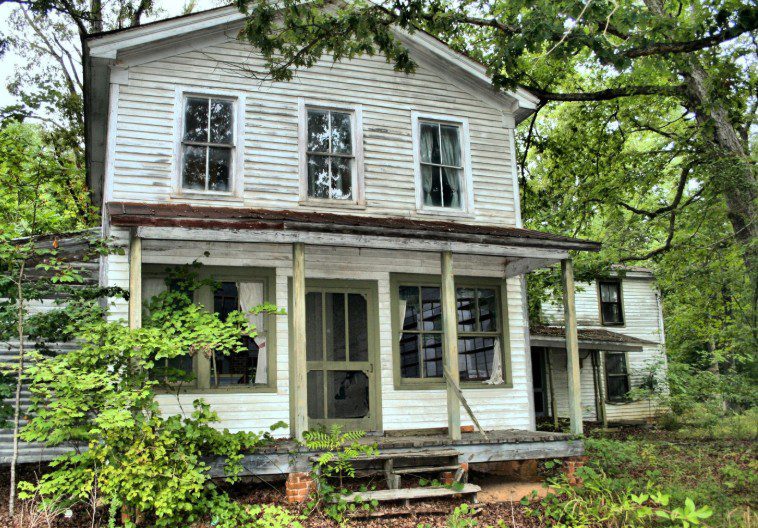
The Vacant Home Tax is a municipal tool that applies an extra tax on residential properties that remain unoccupied for an extended period within a taxation year. The aim is to encourage owners to rent or sell these units rather than leave them sitting empty, which can help boost overall housing availability.
Originally introduced in mid-2024, Windsor’s VHT was part of a suite of housing-related initiatives under the City’s broader plan to respond to low vacancy rates and housing market imbalance.
How Vacancy Is Measured
A property may be considered vacant if it is unoccupied for more than 183 days in a year. There are exceptions, particularly for:
-
principal residences (where the owner or immediate family lives),
-
units under lawful long-term lease (typically 183+ days),
-
properties actively under renovation or on the market for sale or rent,
-
units occupied by hospitalized or long-term care residents, and
-
affordable or social housing units.
Importantly, Windsor’s VHT program does not require all homeowners to submit an occupancy declaration — only those whose properties are flagged as potentially vacant may be asked to file a form.
The New 4% Tax Rate
Under the updated policy adopted by City Council, the VHT has increased from 3% to 4% of a property’s assessed value. This change reflects council’s strategy to apply stronger incentives for owners to either actively use or release unused homes.
That means a property assessed at $500,000 and determined to be vacant could face an annual levy of $20,000 under the new rate. Homeowners should prepare for this higher cost if their property meets the vacancy criteria.
Who Must Declare and When
Properties identified as potentially vacant are contacted by the City, which then asks the owner to submit a Declaration of Occupancy Status. This form describes how the home was used during the taxation year and helps the tax department determine whether the VHT applies.
If the owner disagrees with the classification or VHT bill, Windsor provides appeal mechanisms and opportunities to dispute the charge.
Why the Change Matters
Raising the VHT rate is a significant development for several reasons:
1. Encouraging more rentals or sales. A higher tax makes holding a vacant home more costly, which may push investors or non-resident owners to list properties.
2. Supporting community housing goals. Increased participation in the rental market can address tight rental vacancy rates and help first-time buyers find homes.
3. Incentivizing efficient use of housing stock. The change signals that local leadership sees vacancy as a lever to influence housing availability.
For homeowners and investors, this shift means reviewing any vacant property holdings and planning ahead for potential tax liabilities if the property isn’t actively used. It can also influence decisions about listing timelines and rental strategies.
Takeaway for Windsor-Essex Residents
As of early 2026, the Vacant Home Tax in Windsor is set at 4% of assessed value for properties deemed vacant — up from the original 3% rate. Owners with properties that may meet the vacancy threshold should stay informed about their obligations, exemptions, and declaration requirements to avoid unexpected tax bills.
If you’re buying, selling, or managing investment properties in Windsor-Essex, it’s wise to check a home’s vacancy history and appeal processes as part of your due diligence.
A Note for Investors in Windsor-Essex
For investors who currently own property in Windsor or are considering entering the local market, the Vacant Home Tax is another reminder that municipal policy, local enforcement, and market dynamics matter just as much as price and rent projections. Windsor-Essex is not a one-size-fits-all investment market. Neighbourhoods, housing types, and rental demand can vary significantly, and local regulations can meaningfully impact returns if they are not fully understood.
At The Dan Gemus Real Estate Team, we work with investors at every stage, from first-time rental buyers to long-term portfolio owners. Our role is not to push transactions, but to help investors understand how local policies like the Vacant Home Tax, zoning considerations, rental demand, and resale liquidity intersect so decisions are made with clarity and foresight. Having a local lens can make the difference between a well-performing asset and an unexpected cost.
Whether you already own in Windsor or are exploring opportunities here, staying informed and proactive is key in a market that continues to evolve.
*This blog is for informational purposes only and is not intended to solicit those currently under contract with another Brokerage, nor is it intended to replace due diligence, legal, accounting, financial or insurance advice. For more information about the City By-Laws and how they could impact your real estate decisions, visit www.CityWindsor.ca